
English| EUR
Suggested for you
More currencies
Choose a language
Phang Nga Bay's 400-million-year-old limestone formations rise directly from emerald water, creating a network of sea caves and tidal lagoons accessible only by kayak. Most tours launch from Koh Panyee, a stilted fishing village built entirely over the water. This guide covers the logistics, timing, and conditions that shape your paddle through one of Southeast Asia's most distinctive coastal landscapes.
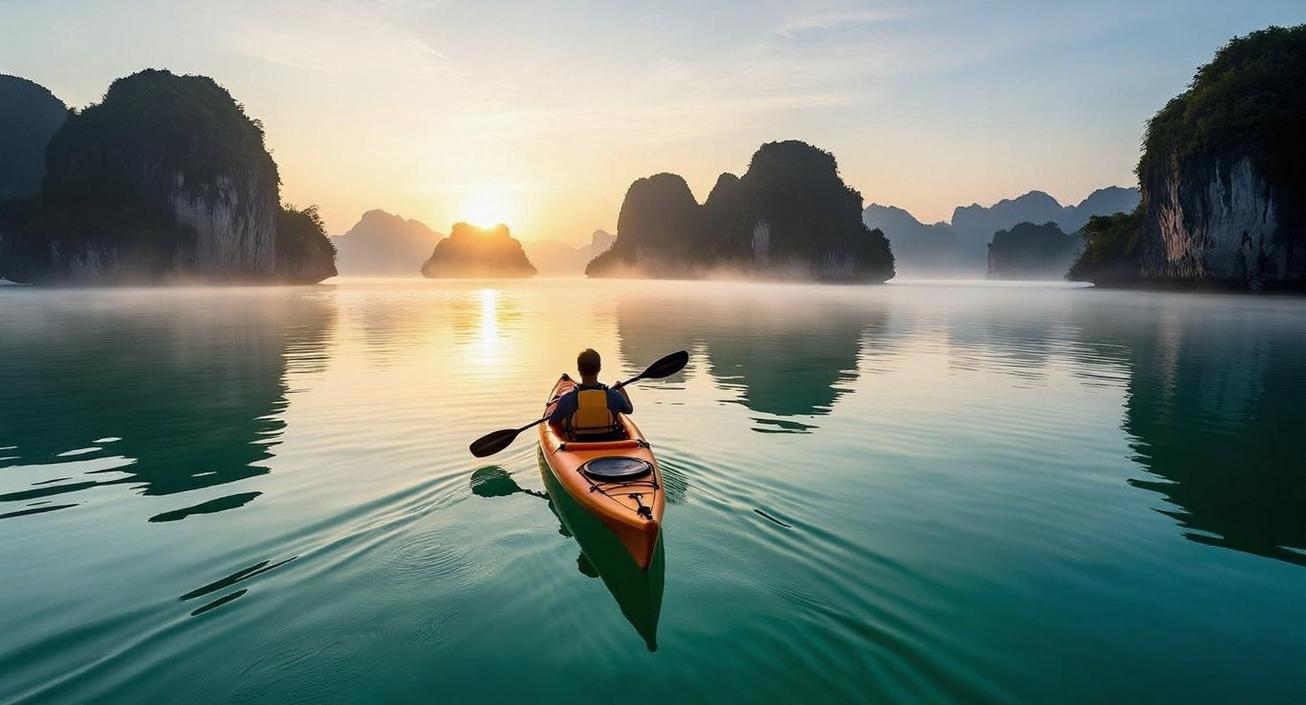
Quick answer
Sea kayaking Phuket operates daily from 08:30 to 16:30, with a 300 THB conservation fee per foreign adult. Tours typically launch between 08:30 and 10:00 to catch optimal tidal windows for cave access and avoid the midday heat and tour-group congestion. Most routes paddle through Phang Nga Bay's limestone karst formations, entering collapsed cave systems known as hongs—hidden lagoons surrounded by vertical cliffs—that are inaccessible at high tide.
Phang Nga Bay holds over 40 islands, but fewer than a dozen contain the collapsed cave systems that define sea kayaking here. These hongs—Thai for "rooms"—form when acidic rainwater erodes limestone from within, creating cathedral-sized chambers that eventually collapse, leaving only a narrow tunnel connecting the interior lagoon to open water. At high tide, the tunnels flood. At low tide, they drain to knee-deep channels lined with oyster beds and mangrove roots. The paddling itself covers 5 to 8 kilometers depending on route, with cave passages requiring you to lie flat in the kayak while guides pull you through. Conditions inside are dark, humid, and tight—some passages allow less than a meter of clearance. Once through, the hongs open into still-water basins ringed by 100-meter cliffs draped in ferns and fig trees. Monkeys and monitor lizards occupy the upper ledges. Herons and kingfishers nest in the mangroves. The water clarity depends on recent rainfall; monsoon season brings sediment runoff that can reduce visibility to under a meter. Most operators base their launches from Koh Panyee, a 400-year-old Muslim fishing village built on stilts over a shallow reef. The village serves as both staging point and cultural anchor for the bay. Conservation protocols introduced in 2019 limit daily kayak entries per hong and require certified guides. The 300 THB fee funds mangrove restoration and plastic-removal programs. Unlike Thailand's marine parks, Phang Nga Bay remains a working seascape—longtail fishing boats share the channels, and traditional fish traps line the shallows. Tidal cycles dictate access windows. Spring tides—occurring twice monthly around new and full moons—create the strongest currents and the narrowest cave-entry windows. Neap tides offer calmer conditions but shorter paddling windows before the hongs flood. Weather patterns shift between November and April (dry northeast monsoon, calm seas) and May through October (southwest monsoon, afternoon squalls). The bay's sheltered position behind Phuket reduces wave exposure year-round, but lightning storms during monsoon months can halt tours mid-route. Operators monitor marine forecasts and typically cancel only for sustained winds above 25 knots or active thunderstorm cells. Sea kayaking Phuket requires no prior paddling experience—guides handle navigation and provide basic stroke instruction—but does demand tolerance for heat, humidity, and prolonged sitting. Physical demands increase in the caves, where you may need to duck, brace, or assist in pulling the kayak through shallow sections. The experience rewards patience over speed. The hongs reveal themselves slowly: the play of light on interior cliffs, the shift from saltwater to brackish in the mangrove zones, the geometry of limestone dissolving into the sea.
“The hongs reveal themselves slowly: the play of light on interior cliffs, the shift from saltwater to brackish in the mangrove zones, the geometry of limestone dissolving into the sea.”
Prepare these essentials for a full day of paddling through mangroves and sea caves in a remote bay environment.
Phang Nga Bay's limestone karsts, mangrove channels, and sea caves form a protected marine ecosystem that requires careful stewardship from every paddler. Your conduct directly impacts the bay's delicate balance between tourism and conservation.
Everything you need to know about sea kayaking phuket
The most effective way to enjoy sea kayaking phuket is by booking a guided excursion that navigates the limestone karst formations. These tours provide the necessary paddles, life vests, and local guides familiar with the hidden lagoons and sea caves. Visitors often prefer private boat charters to maximize their time in the bay.
You should bring essential items such as waterproof dry bags for electronics, sun protection like hats and high-SPF sunscreen, and comfortable swimwear. Bringing a reusable water bottle is also encouraged to stay hydrated while exploring the mangrove forests and coastal landmarks. Proper preparation ensures you have a pleasant experience while out on the water.
The accessibility of the sea caves is highly dependent on the tidal cycle in Phang Nga Bay. Low tide is often necessary to safely navigate through the smaller cave entrances, which is why early morning arrival is advised. Professional guides monitor these conditions daily to ensure safety during your excursion.
Phuket Kayaking Tours
Read more Tickets & toursMangrove Kayaking Phuket
Read more GuideKayaking Safety Guidelines
Read more GuidePhuket Travel Requirements & Tips
Read more Tickets & toursBioluminescent Kayaking Phuket
Read more Tickets & toursPhuket Caves & Mangrove Kayaking
Read more